จากงานวิจัยสู่การใช้ประโยชน์: ขับเคลื่อน “ห้องเรียนสู้ฝุ่น” เพื่อสุขภาวะเด็กในพื้นที่ชายแดนเชียงราย
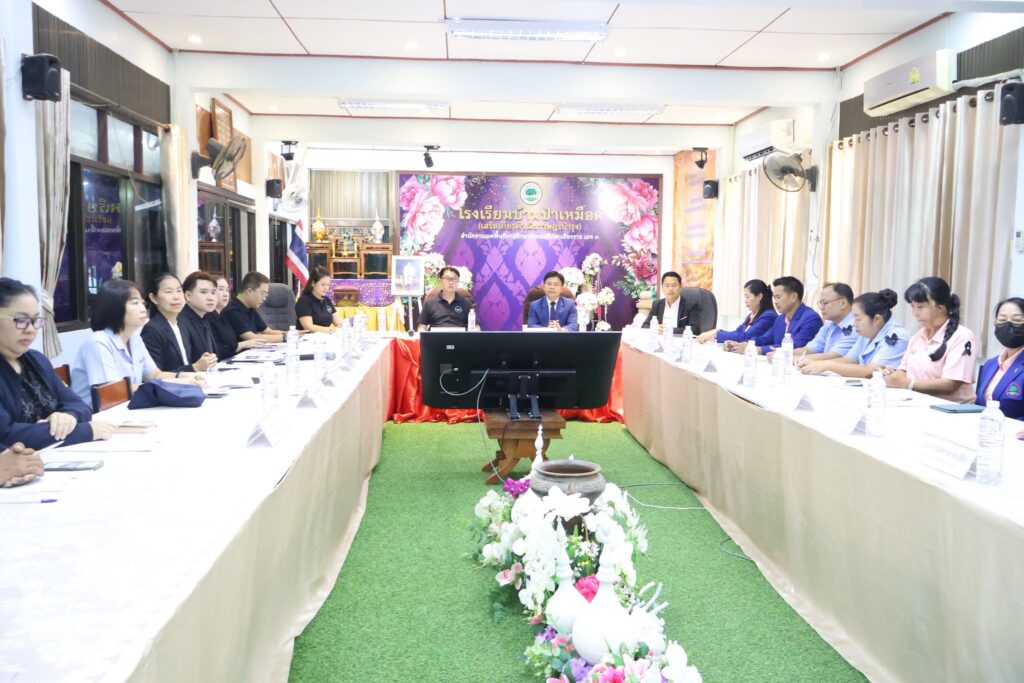
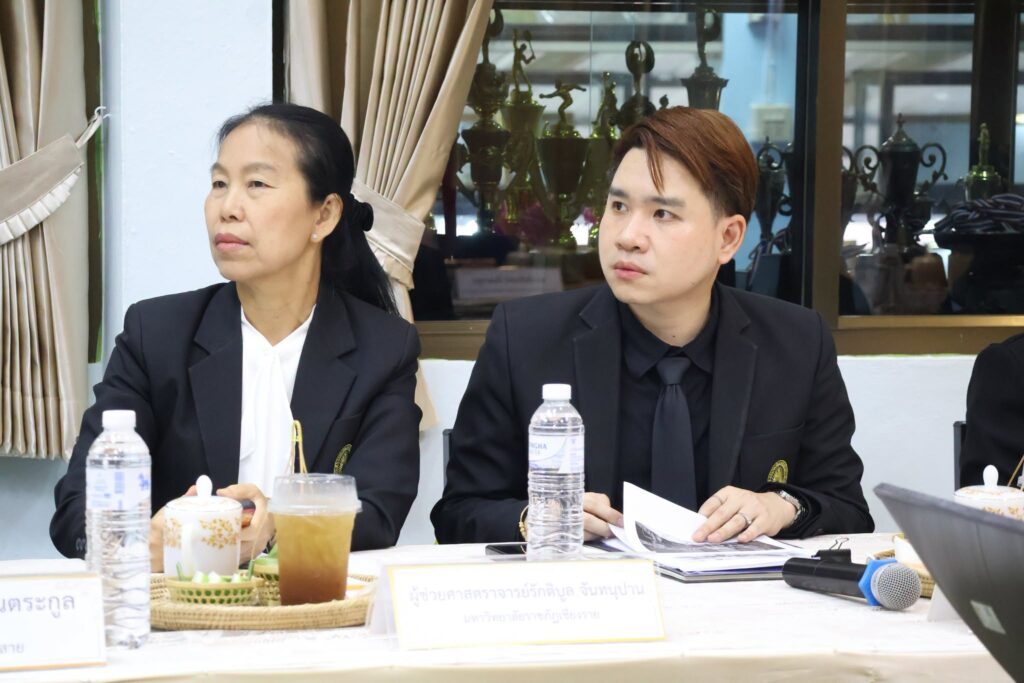
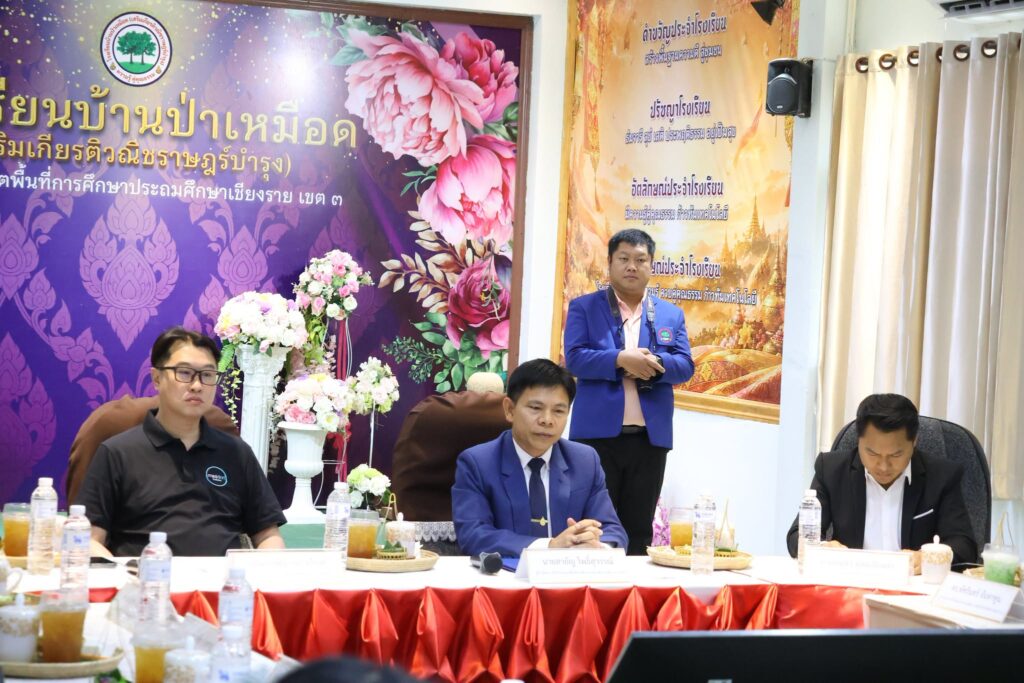
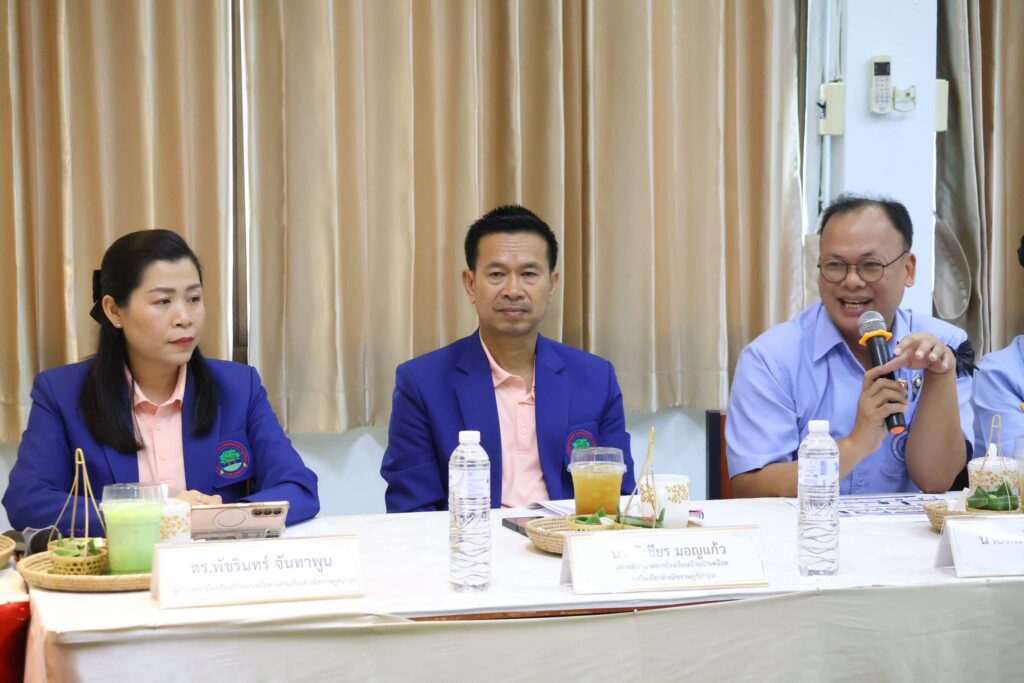
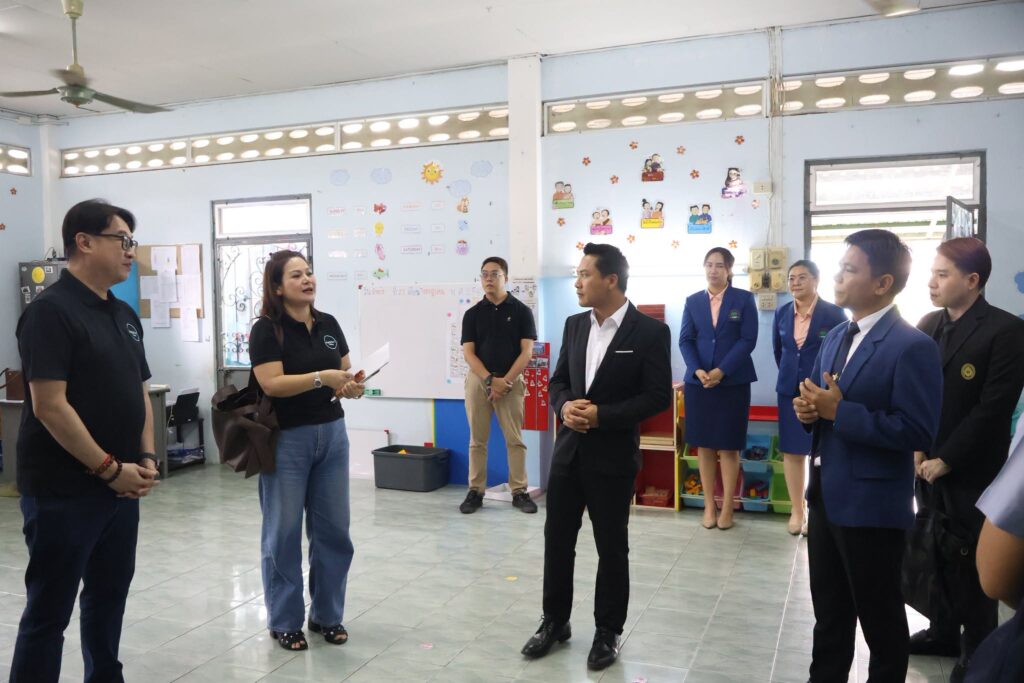
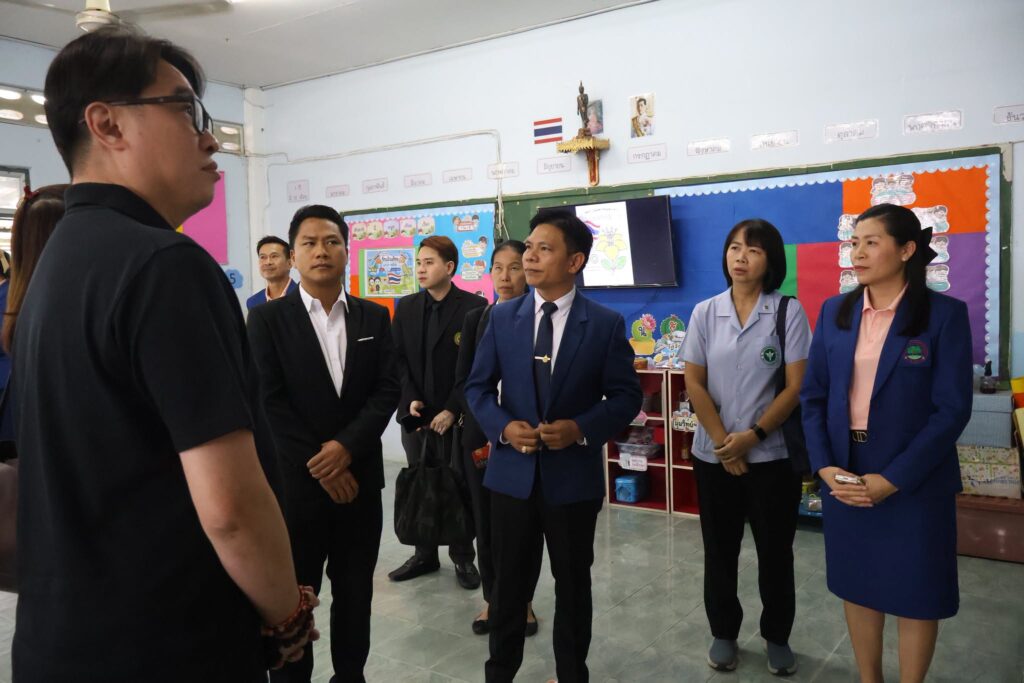
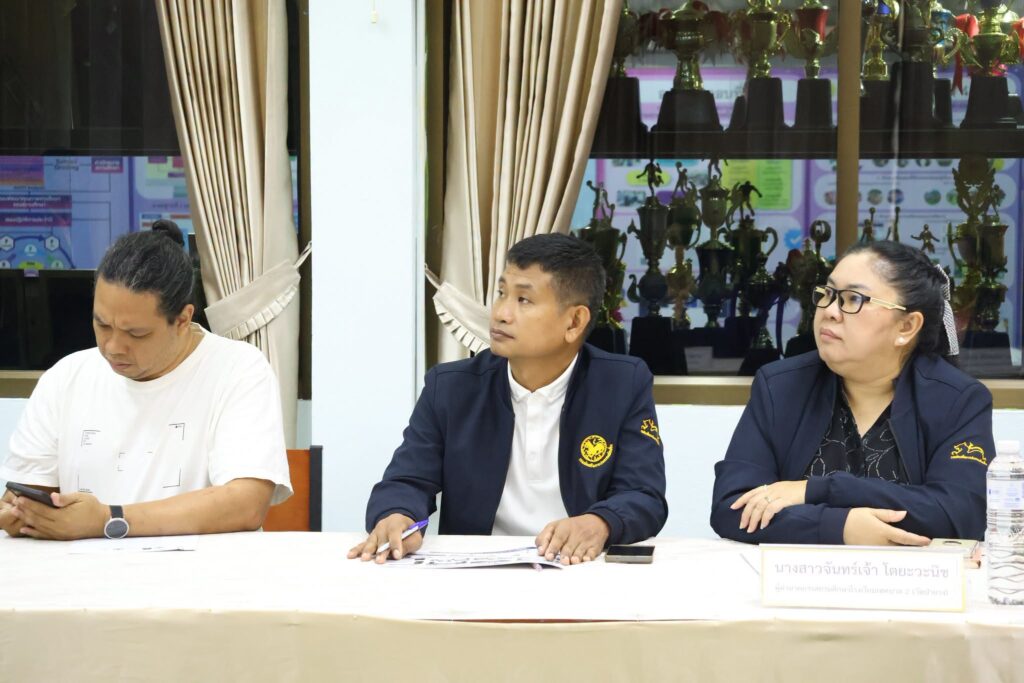
เมื่อวันที่ 21 กรกฎาคม 2569 ผู้ช่วยศาสตราจารย์ ดร.นพชัย ฟองอิสสระ หัวหน้าโครงการวิจัย คณะสังคมศาสตร์ มหาวิทยาลัยราชภัฏเชียงราย และ ผู้ช่วยศาสตราจารย์รักติบูล จันทานุปาน คณะการท่องเที่ยวและการโรงแรม มหาวิทยาลัยราชภัฏเชียงราย ร่วมกับภาคีเครือข่าย จัดกิจกรรมคืนข้อมูลและเผยแพร่ผลการวิจัย เรื่อง “การประยุกต์เทคโนโลยี Cerafusion™ เพื่อพัฒนาห้องเรียนสู้ฝุ่นและส่งเสริมสุขภาวะเด็ก ในพื้นที่ประสบปัญหาหมอกควันข้ามพรมแดน กรณีศึกษา: โรงเรียนบ้านป่าเหมือด (เสริมเกียรติวณิชราษฎร์บำรุง) อำเภอแม่สาย จังหวัดเชียงราย” ณ โรงเรียนบ้านป่าเหมือด (เสริมเกียรติวณิชราษฎร์บำรุง) อำเภอแม่สาย จังหวัดเชียงราย เพื่อถ่ายทอดองค์ความรู้จากการวิจัยสู่การใช้ประโยชน์ในพื้นที่อย่างเป็นรูปธรรม
การดำเนินงานได้รับความร่วมมือจากภาคีเครือข่ายหลายภาคส่วน ประกอบด้วย สำนักงานเขตพื้นที่การศึกษาประถมศึกษาเชียงราย เขต 3 โรงเรียนบ้านป่าเหมือด (เสริมเกียรติวณิชราษฎร์บำรุง) บริษัท เมดด์คลินน์ ประเทศไทย เทศบาลตำบลแม่สาย สาธารณสุขอำเภอแม่สาย โรงเรียนเทศบาล 1 (วัดพรหมวิหาร) โรงเรียนเทศบาล 2 (วัดป่ายาง) เติมเต็มวิสาหกิจเพื่อสังคม และเชียงรายสนทนา ซึ่งร่วมสนับสนุนการแลกเปลี่ยนองค์ความรู้และการขับเคลื่อนผลการวิจัยสู่พื้นที่
กิจกรรมดังกล่าวสะท้อนถึงความสำคัญของความร่วมมือระหว่าง มหาวิทยาลัย หน่วยงานด้านการศึกษา สถานศึกษา หน่วยงานด้านสาธารณสุข องค์กรปกครองส่วนท้องถิ่น ชุมชน ภาคเอกชน และภาคีเครือข่าย ในการร่วมกันพัฒนาแนวทางจัดการคุณภาพอากาศและสร้างสภาพแวดล้อมการเรียนรู้ที่ปลอดภัยสำหรับเด็ก โดยเฉพาะสถานศึกษาในพื้นที่ชายแดนที่ได้รับผลกระทบจากปัญหาหมอกควันข้ามพรมแดนและ PM2.5 เป็นประจำ
การคืนข้อมูลวิจัยครั้งนี้มิได้มุ่งเพียงเผยแพร่ผลการศึกษา แต่ยังเป็นกระบวนการ นำองค์ความรู้กลับคืนสู่พื้นที่ เปิดโอกาสให้หน่วยงานและผู้มีส่วนเกี่ยวข้องร่วมแลกเปลี่ยนเรียนรู้ รับฟังผลการวิจัยและข้อเสนอแนะ ตลอดจนพิจารณาแนวทางการประยุกต์ใช้ผลการศึกษาให้เหมาะสมกับบริบทของสถานศึกษา อันจะนำไปสู่การพัฒนาแนวทางด้านการคุ้มครองสุขภาพเด็ก การขยายผลต้นแบบห้องเรียนสู้ฝุ่นสู่สถานศึกษาอื่น และการยกระดับคุณภาพชีวิตและสุขภาวะของเด็กและเยาวชนในพื้นที่เสี่ยงหมอกควันต่อไป
ภาพประกอบบางส่วนได้รับความอนุเคราะห์จาก สำนักงานเขตพื้นที่การศึกษาประถมศึกษาเชียงราย เขต 3
PM2.5 #TransboundaryHaze #ChiangRai #CRRU #คลังสมองของชุมชน #ResearchForSociety #DustFightingClassrooms #Cerafusion #SDG3 #SDG 4#SDG 17 # MainlandASEAN
From Research to Application: Advancing “Haze-Safe Classrooms” for Child Well-Being in Chiang Rai’s Border Areas
On 21 July 2026, Assistant Professor Noppachai Fongissara, Ph.D., Principal Investigator, Faculty of Social Sciences, Chiang Rai Rajabhat University, and Assistant Professor Raktibul Chantanupan, Co-researcher, Faculty of Tourism and Hotel Management, Chiang Rai Rajabhat University, together with research partners, organized a research feedback and dissemination activity for the project entitled: “Application of Cerafusion™ Technology to Develop Haze-Safe Classrooms and Promote Child Well-Being in Areas Affected by Transboundary Haze: A Case Study of Ban Pa Muead School (Soemkiatwanitratbamrung), Mae Sai District, Chiang Rai Province.”
The activity was held at Ban Pa Muead School (Soemkiatwanitratbamrung), Mae Sai District, Chiang Rai Province, with the aim of translating research knowledge into practical use at the local level.
The project received support and cooperation from a wide range of partner organizations, including the Chiang Rai Primary Educational Service Area Office 3, Ban Pa Muead School (Soemkiatwanitratbamrung), MedKlinn Thailand, Mae Sai Subdistrict Municipality, Mae Sai District Public Health Office, Municipal School 1 (Wat Phrom Wihan), Municipal School 2 (Wat Pa Yang), Termtem Social Enterprise, and Chiang Rai SanaTana (Chiang Rai Dialogue). These partners contributed to knowledge exchange and supported the application of the research findings at the local level.
The activity highlighted the importance of collaboration among universities, educational agencies, schools, public health organizations, local administrative organizations, communities, the private sector, and partner networks in developing approaches to indoor air quality management and creating safer learning environments for children, particularly in border schools that are regularly affected by transboundary haze and PM2.5 pollution.
The research feedback activity was not intended solely to disseminate research findings. It also served as a process of returning knowledge to the community, providing opportunities for relevant agencies and stakeholders to exchange perspectives, review the research findings, offer recommendations, and consider how the findings could be appropriately applied within different school contexts. This process can help support the development of approaches to child health protection, the expansion of the haze-safe classroom model to other schools, and improvements in the quality of life and well-being of children and young people in haze-affected areas.
Some of the photographs used in this article were kindly provided by the Chiang Rai Primary Educational Service Area Office 3.
PM2.5 #TransboundaryHaze #ChiangRai #CRRU #คลังสมองของชุมชน #ResearchForSociety #DustFightingClassrooms #Cerafusion #SDG3 #SDG 4#SDG 17 # MainlandASEAN